
Using SD-WAN to Improve Security and Overcome Hybrid Cloud Challenges
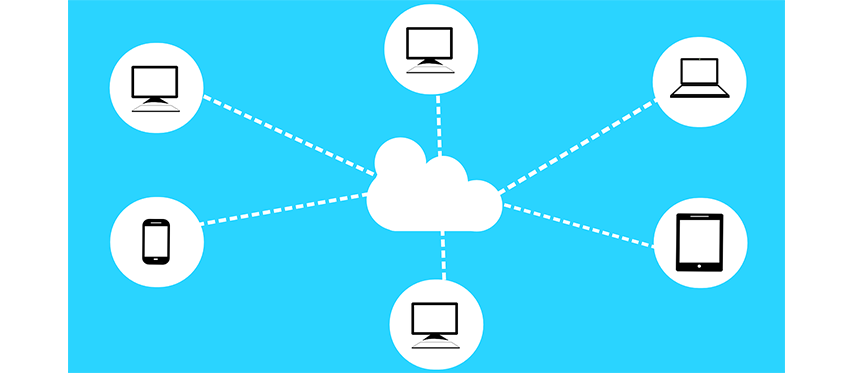
Modern enterprises are deploying applications across a blend of on-premises, private cloud, and multiple public cloud environments to gain greater flexibility, agility, scalability, and enhanced security.
This hybrid multi-cloud approach has become a common strategy over the past decade, replacing legacy on-premises applications no longer reliable or supported by their manufacturer. In addition, the shift to Software as a Service (SaaS) is a logical step for enterprises moving their expenses from CAPEX to OPEX. SaaS offers feature-rich functionality, wide accessibility, cost efficiency, and lower computing and storage costs.
At the same time, many organizations adopt a hybrid cloud approach for practical reasons, such as mergers or acquisitions that introduce existing cloud environments tied to critical operations, or the need to use different clouds for specific applications, business units, or technical requirements.
While SaaS and hybrid multi-cloud strategies deliver clear advantages, they also introduce added complexity when it comes to managing and securing these environments.
Hybrid Cloud Challenges
Hybrid cloud deployments often lead to inefficient routing practices such as hairpinning traffic through the corporate data center—which introduces latency and network delays. Traditional WAN routers were designed to support VPNs within a centralized data center, not today’s cloud-native or hybrid environments. As a result, backhauling traffic can degrade application performance, negatively impacting user experience and overall productivity.
In the case of SaaS applications, Direct-to-Internet (DIA) access often wreaks havoc with traditional WAN transport. This is seen in packet loss, high jitter, latency, and varying bandwidth availability. Depending on the type of application, these impairments can affect not only application performance, but also productivity and potential revenue.
SD-WAN Delivers Simplicity, Flexibility, and Greater Performance
The only way to overcome these challenges is with a Software-Defined Wide Area Network (SD-WAN). SD-WAN intelligently and dynamically routes traffic based on protocols defined by service type and application priority. That means SD-WAN can choose the best path in real time for mission critical traffic, while less critical traffic travels a different path.
With SD-WAN’s ability to manage branch-to-cloud and branch-to-HQ connectivity, the hairpinning of traffic through a data center is eliminated. Most advanced SD-WAN platforms also support dynamic multi-tunneling to virtual instances on a private cloud to ensure protection and reduce security complexity. Additionally, SD-WAN securely connects enterprise branch sites over any transport, including satellite connectivity (LEO/GEO), internet, or LTE. Centralized orchestration systems enable enterprises to extend their branch WAN to cloud services without any major architectural redesigning.
SD-WAN is the Foundation of SASE
SD-WAN is now a key component of Secure Access Service Edge (SASE), a modern security framework that unifies networking and security functions into a single, cloud-native service model. SASE combines SD-WAN with four critical Secure Service Edge (SSE) features: Zero Trust Network Access, Cloud Access Security Broker, Next-Generation Secure Web Gateway, and Firewall-as-a-Service.
SASE takes SD-WAN a step further by extending protection to users, devices, and applications at the network edge.
SASE provides strong, secure, Zero Trust access for your workforce from wherever they are, and centralized policies across your entire network. It also provides a cost-effective way to connect your organization to all its locations and helps keep your cloud applications and infrastructure safe from cyberattacks and data leaks.
By merging multiple tools into a single solution, SASE can reduce both the complexity and cost associated with managing separate networking and security technologies, which lowers operational overhead. Because SASE is cloud-delivered, it eliminates the need for separate investments in security appliances, firewalls, VPNs, and other hardware.
Hughes Provides Managed SASE to Enterprises
A managed SASE approach reduces costs and risk even further for enterprises. As CISOs face cybersecurity talent shortages and growing workloads, they’re turning to Managed Services Providers (MSPs) for help. The Cybersecurity Insiders 2025 State of Secure Network Access Report shows that 47% of respondents identified a lack of in-house expertise as a key reason for turning to MSPs.
Hughes can partner with internal teams to ease operational load and simplify deployment and management of network and security systems. By leveraging the deep expertise of Hughes in network architectures and advanced cybersecurity techniques, along with a fully staffed Security Operations Center (SOC), enterprises can achieve faster time-to-value and reduce costs by consolidating technologies, reducing vendors and SLAs, and minimizing training expenses and the capital investment required to stand up an in-house SOC.
Through strategic partnerships with industry-recognized SASE innovators, Hughes delivers best-in-class SASE, SSE, and SD-WAN solutions—enhanced by our world-class managed cybersecurity services and operational excellence.
Learn more about Hughes Managed SASE and SD-WAN.