
Digital Signage in 2026: Five Trends Every Business Should Know
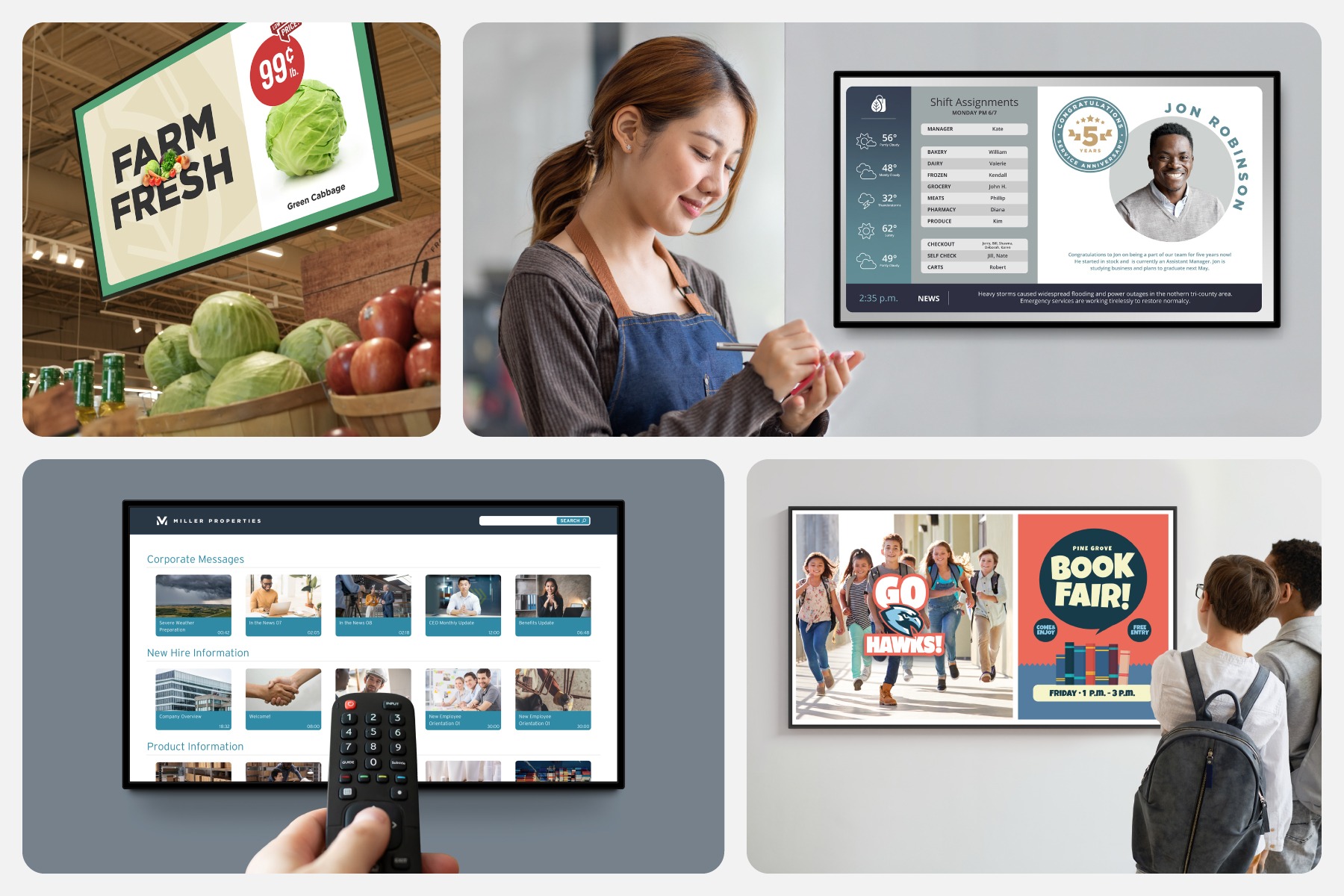
Digital signage continues to be shaped by smarter technologies, richer experiences, sustainability demands, and the ongoing integration of software and data insights. As organizations compete for attention in both physical and hybrid spaces, digital signage has become more than static screens—it’s an interactive communication backbone that drives customer engagement, operational efficiency, and measurable business outcomes.
Here’s what enterprises and innovators should be paying attention to this year.
AI and Predictive Personalization Become Core to Signage Strategy
AI isn’t just a buzzword in the digital signage ecosystem anymore. It’s embedded into how content is created, scheduled, delivered, and optimized. In 2026, digital signage systems increasingly use:
- Predictive analytics to anticipate audience preferences and adjust messaging in real time, not just report on past behavior.
- Vision and sensor-based insights to estimate dwell time, gaze direction, and engagement—then tune content accordingly.
- Contextual personalization that adapts messaging on the fly based on environment, weather, traffic, or even last-mile inventory data.
The shift here is from static broadcast signage to smart engagement hubs that behave more like responsive digital assistants than fixed displays.
Immersive and Interactive Experiences Scale Up
2026 is seeing a clear move beyond traditional “screen + playlist” signage toward experiential engagement:
- Touchless interfaces, including gesture and voice interactions, are becoming more common as hygiene and accessibility expectations rise.
- Augmented reality (AR) and projection technologies continue to blur boundaries, creating hybrid digital-physical environments for wayfinding, virtual try-ons, or product demos.
- Social and real-time content integration brings external engagement into physical spaces, transforming signage into dynamic, community-aware canvases.
These interactive formats deepen engagement and lengthen dwell time—a crucial metric for both retail conversions and brand recall.
Cloud-First Platforms and Scalability Drive ROI
Cloud management isn’t new, but in 2026 it’s table stakes for digital signage at scale:
- Centralized cloud dashboards enable businesses to manage distributed networks of screens with minimal IT overhead.
- Cloud-based architectures support rapid deployment, automated updates, and remote troubleshooting, reducing operational load.
- Security frameworks have matured, with encrypted content delivery and hardened endpoints addressing rising cyber threats.
This shift toward cloud-centric deployment improves total cost of ownership and supports global enterprise rollouts.
Data and Analytics Are Essential for Understanding Impact
In 2025, signage teams began proactively collecting data, and in 2026, they are increasingly leveraging it. Digital signage analytics are now used to:
- Quantify audience engagement at scale.
- Optimize content schedules based on performance patterns.
- Connect signage metrics to broader business outcomes (e.g., conversion lift, dwell time, operational KPIs).
AI-augmented analytic models can forecast effects, suggest optimal content mixes, and refine messaging strategy over time.
Sustainability, Form Factor Innovation, and New Display Tech
In 2026, signage investment decisions are factoring in environmental and economic considerations more than ever:
- Energy-efficient LED and advanced LCD technologies reduce operational costs and carbon footprints.
- Modular and adaptive formats—from ultra-wide aspect ratios to flexible configurations—are expanding creative possibilities.
- Displays that remain vivid and readable in all lighting conditions, even in outdoor or high-ambient spaces, help sustain engagement throughout the day.
These hardware innovations not only drive visual impact but also align with broader sustainability and lifecycle goals.
The Future of Digital Signage Is Integrated, Intelligent, and Impactful
As we move deeper into 2026, digital signage has shifted from being a communication tactic to a strategic business asset—one that supports customer experience, drives measurable outcomes, and harmonizes with broader IT and marketing ecosystems. Investing in intelligent platforms, rich analytics, and immersive formats will help organizations stay competitive and relevant in a constantly evolving engagement landscape.
Learn more about Hughes cloud-based digital signage solutions.